Godot13 / Wikimedia Commons, CC BY-SA 4.0 · CC BY-SA 4.0
Prague is not a city to be rushed. It is a space where history, architecture, and daily life intertwine into a narrative so rich that it is best discovered step by step. Especially when guided by a local who knows not only the addresses of the attractions but also the secrets hidden within their walls.
We will begin our walk in an unconventional way – not from the castle, but from the river. It is the Vltava that sets the city’s rhythm, and Charles Bridge that serves as its heart. In the early morning, when mist rises above the water, you can feel Prague waking up. Stone figures have watched travelers for centuries, and the echo of footsteps blends with the music of street musicians. In the evening, when lanterns reflect on the river’s surface, the bridge transforms into a theater of shadows – here, Prague reveals its magical side.
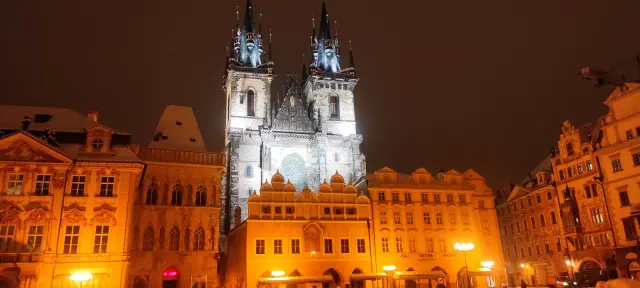
A few minutes' walk away lies Old Town Square, a place of trade, civic ceremonies, religious conflict and major political events. At the scheduled hours, visitors gather beneath the Astronomical Clock (Orloj) for its moving figures. Check operating hours rather than assuming a procession through the night. Step into the side streets too, for a different view of the centre and its cafés.
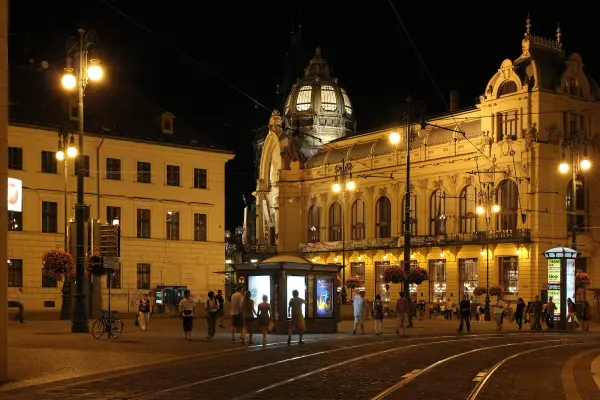
You will arrive at Wenceslas Square almost naturally. This is where Czech transformations were born – from the declaration of independence to the Velvet Revolution. Overlooking the square is the building of the National Museum, and in the evenings, neon lights illuminate shop windows and restaurants. This place pulses with life around the clock.
If, however, you wish to escape the hustle and bustle, it is worth heading to Petřín Hill. The climb in the shade of trees pays off – the panorama of the city from the Petřín Lookout Tower is one of the most beautiful in Europe. Nearby, you will find a hall of mirrors, a rose garden, and alleys once walked by Czech poets. In spring, cherry trees bloom here, and in summer, the greenery of the parks becomes a natural refuge from the heat.
Yet Prague does not end at the obvious places. If you want to feel its more intimate character, visit Vyšehrad – a historic fortress on a hill above the Vltava. According to legend, Prague was born here. Quiet alleys, the monumental Basilica of St. Peter and Paul, and a cemetery where the greatest Czech artists rest create an atmosphere of contemplation and nostalgia. From here, one of the most beautiful views of the river unfolds.
Culture enthusiasts can choose Strahov Monastery, with its Baroque library, frescoes and historic books. Check the access included in your ticket: a standard view of the halls is not necessarily a walk between the shelves. Farther down the hill in Lesser Town, the seasonal Wallenstein Garden offers a different combination of greenery, statues and fountains. These are separate destinations, with walking time between them.
Prague also offers family activities. Prague Zoo is a substantial destination in Troja, with grounds that deserve their own time. Papilonia offers live butterflies to observe under the venue's rules; a butterfly landing on a visitor is a possibility, not a guaranteed part of admission. The Gallery of Steel Figures provides another option for visitors interested in pop-culture characters and unusual sculptural materials.
Josefov preserves important monuments of Jewish Prague, although redevelopment around the turn of the twentieth century substantially changed the earlier neighbourhood. Explore its synagogues and the Old Jewish Cemetery with that context in mind. Interior admission follows separate hours and the Jewish calendar.
For games and activities, check the current programme, address and charging system at Levels. Do not assume every zone or terrace is included or open. A meal at Výtopna, known for its model trains, is another possibility: check the menu and service arrangements before reserving.
Střelecký Island offers a lower river perspective and a place to pause. Wildlife sightings are not guaranteed. Observe any animals from a distance without touching or feeding them.
Discover Prague with us
Prague is not just a city of monuments, but a space where everyone can find something for themselves. You can explore it on your own, but if you want to feel its true rhythm, it is worth taking a walk with a local guide. We will see not only the main attractions but also hidden corners not mentioned in guidebooks.
For a Polish-language guided route, compare the Prague guide's current offer. Confirm the language, programme and what is included when booking.
What connects these places into one story?
The river helps you understand the topography, but the city's history does not follow one straight line. On the right bank, you encounter trade, civic government, religion and everyday urban life. On the castle hill, political power comes to the fore. Crossings, roads and neighbourhoods have linked these worlds for centuries.
Return to a view you saw earlier. After Hradčany, the panorama from Charles Bridge becomes clearer because you know what stands on the horizon. After Old Town, it is easier to recognise towers and squares from a viewpoint. Prague starts to become a place rather than a catalogue of photographs.
Day one: the right bank and the river
Start at the Powder Tower or Old Town Square, depending on your accommodation. Take an unhurried route with a few longer stops. Look at the town hall and clock, but also façades and side streets. For Josefov, decide whether this day means an exterior walk or several hours exploring interiors.
After lunch, head towards the river. Charles Bridge can naturally end the first part of the day, with Kampa as a short extension if you have energy. There is no need to climb to the castle immediately. The view from below is a useful introduction to the next morning.
For a short stay, keep to this compact area. It offers recognisable places and time to appreciate them. Read Prague in one day for the detailed route.
Day two: Hradčany and Lesser Town
First decide what to see at the castle. Interiors need much of the morning; an exterior walk leaves more time for the district itself. Treat Strahov as an extension rather than something immediately beside every other stop.
After lunch, descend to Lesser Town and choose a garden or Kampa according to the season. Petřín can replace part of this programme if a longer green walk is your priority. Several successive climbs are not necessary to appreciate the left bank.
For specific places, read Charles Bridge, the castle interiors and Prague's passages.
Day three: choose a theme rather than another list
Vyšehrad suits legends and national memory; Vinohrady offers residential architecture, cafés and parks; Holešovice suits contemporary art and the transformation of former industrial areas. Each reveals a different Prague.
Families may prefer the zoo or a museum suited to their children's ages. Let that replace a substantial part of the urban programme rather than adding it after hours of walking. Allow time for the journey, food and rest. Read Prague with children.
Use the map without seeing the city through a screen
Mark a few main stops and your return transport before setting out. Check direction at a junction, then put the phone away for a longer stretch. Notice where a street slopes down, where a tower appears and how the buildings change.
For a list of places with locations, use Prague attractions with descriptions and maps. This article helps you choose the order and meaning of a walk rather than replacing every detailed monument guide.
Frequently asked questions
In what order should you explore Prague?
One useful sequence starts with the river: Charles Bridge, Old Town and Josefov, then the castle and Lesser Town on day two. Add Vyšehrad, Petřín or Letná on later days rather than trying every hill in succession.
How long should you allow for the castle?
Usually three to four hours if visiting the interiors, depending on interest and queues. A shorter courtyard walk has a different scope. Check garden availability separately.
Is Prague suitable for families?
Yes. Options include the zoo, Papilonia, games and a train-themed restaurant. Choose according to age, budget and interests, leaving room for breaks.
How do you avoid the busiest periods?
Choose mornings or evenings for public spaces, and match interiors to opening hours. Weekdays can be quieter, but events and season still matter. Read the practical Prague guide and plans for one to four days.